
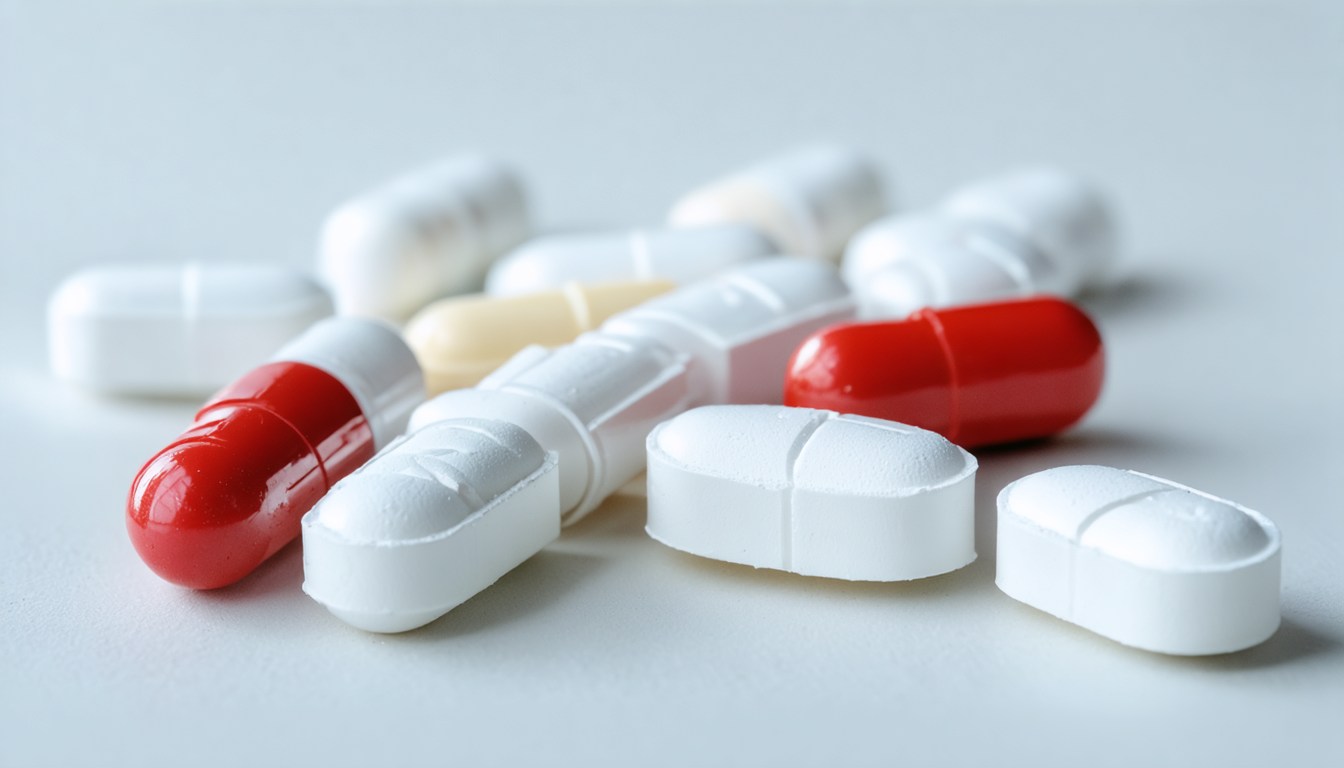
Impotence medication: glossary, explanation and practical checklist
Disclaimer: This article is for informational purposes only and does not replace professional medical advice, diagnosis, or treatment. Impotence medication (medicines for erectile dysfunction) should be used only after consultation with a qualified healthcare professional who can assess your individual risks, benefits, and possible drug interactions.
Key terms (glossary)
- Erectile dysfunction (ED)
- Persistent inability to achieve or maintain an erection sufficient for satisfactory sexual activity.
- Impotence medication
- Drugs prescribed to improve erectile function, most commonly PDE5 inhibitors.
- PDE5 inhibitors
- A class of medications (e.g., sildenafil, tadalafil, vardenafil, avanafil) that enhance blood flow to the penis.
- Sildenafil
- An oral ED medication often known by its original brand name, typically taken before sexual activity.
- Tadalafil
- An ED drug with a longer duration of action; can be taken daily in low doses or as needed.
- Vardenafil
- A PDE5 inhibitor similar to sildenafil, used for on-demand treatment of ED.
- Avanafil
- A newer PDE5 inhibitor with a relatively rapid onset of action.
- Nitroglycerin (nitrates)
- Medications for chest pain; combining them with ED drugs can cause dangerous drops in blood pressure.
- Hypogonadism
- Low testosterone levels that may contribute to reduced libido and erectile problems.
- Testosterone replacement therapy (TRT)
- Treatment for clinically confirmed low testosterone.
- Cardiovascular disease
- Heart and blood vessel disorders, commonly linked with erectile dysfunction.
- Psychogenic ED
- Erectile dysfunction primarily caused by psychological factors such as stress or anxiety.
- Organic ED
- Erectile dysfunction due to physical causes (vascular, neurological, hormonal).
- Penile blood flow
- The circulation required to achieve and maintain an erection.
- Side effects
- Unintended effects of a medication, such as headache, flushing, or nasal congestion.
Clear explanation
1. Causes of erectile dysfunction
Erectile dysfunction is often multifactorial. Common physical causes include diabetes, hypertension, obesity, high cholesterol, smoking, and cardiovascular disease. These conditions impair blood vessel function and reduce penile blood flow.
Hormonal imbalances (e.g., low testosterone), neurological disorders, pelvic surgery, and certain medications (antidepressants, antihypertensives) may also contribute. Psychological causes such as anxiety, depression, performance stress, or relationship problems can either trigger or worsen ED.
2. Manifestations and symptoms
Men with ED may experience difficulty achieving an erection, maintaining it, or reduced rigidity. Some report decreased sexual desire or dissatisfaction with sexual performance.
Occasional erection problems are common and not necessarily a sign of chronic ED. However, symptoms lasting more than three months may require medical evaluation and consideration of impotence medication or other therapies.
3. Diagnosis and evaluation
Diagnosis usually involves a detailed medical history, physical examination, and assessment of cardiovascular risk factors. Doctors may order blood tests to check glucose levels, lipid profile, and testosterone.
Since ED can be an early marker of heart disease, evaluation is important. Authoritative guidelines from cardiology and urology associations emphasize cardiovascular screening before prescribing impotence medication in high-risk individuals.
4. Treatment approaches: how impotence medication works
The first-line pharmacological treatment for most men is a PDE5 inhibitor. These impotence medications enhance the effect of nitric oxide, a natural chemical the body produces to relax penile muscles and increase blood flow during sexual stimulation.
It is important to note that these drugs do not automatically cause an erection; sexual arousal is still required. Different agents vary in onset time and duration. For example, sildenafil and vardenafil are typically taken 30–60 minutes before intercourse, while tadalafil may last up to 36 hours.
Other treatment options include lifestyle modification, psychological counseling, vacuum erection devices, intracavernosal injections, and in some cases surgery. For more information on overall men’s health and related conditions, see our men’s health guide and cardiovascular risk overview. If you are exploring different treatment comparisons, our medication comparison resource may also be helpful.
Reader checklist
What you can do
- Schedule a medical evaluation before starting any impotence medication.
- Discuss all current medications and supplements with your doctor.
- Adopt heart-healthy habits: regular exercise, balanced diet, smoking cessation.
- Manage chronic conditions such as diabetes and hypertension.
- Address stress, anxiety, or relationship issues with counseling if needed.
- Follow prescribed dosage instructions carefully.
What to avoid
- Do not combine PDE5 inhibitors with nitrates (e.g., nitroglycerin).
- Avoid excessive alcohol intake when using impotence medication.
- Do not buy unverified products online claiming to be “natural Viagra.”
- Do not exceed recommended doses without medical supervision.
- Avoid mixing multiple ED drugs unless specifically advised by a physician.
When to see a doctor urgently (red flags)
- Chest pain or severe dizziness after taking ED medication.
- Sudden vision or hearing loss.
- An erection lasting more than 4 hours (priapism).
- Severe allergic reactions (swelling, difficulty breathing).
Term → in simple words → why it matters
| Term | In simple words | Why it matters |
|---|---|---|
| PDE5 inhibitor | A pill that improves blood flow to the penis | Main type of impotence medication used worldwide |
| Nitrates | Heart drugs for chest pain | Dangerous interaction with ED medication |
| Hypogonadism | Low testosterone | May require hormone therapy instead of or in addition to ED drugs |
| Cardiovascular disease | Heart and blood vessel problems | Common underlying cause of erectile dysfunction |
| Priapism | Prolonged painful erection | Medical emergency requiring urgent care |
Specialist comment (generalized)
In clinical practice, erectile dysfunction is often a signal of broader vascular health issues. Impotence medication can be highly effective and safe when prescribed appropriately, but it should be part of a comprehensive approach that includes cardiovascular risk assessment and lifestyle modification.
Sources
- American Urological Association (AUA). Erectile Dysfunction Guideline.
- European Association of Urology (EAU). Guidelines on Sexual and Reproductive Health.
- National Institute of Diabetes and Digestive and Kidney Diseases (NIDDK). Erectile Dysfunction.
- U.S. Food and Drug Administration (FDA). Safety information on PDE5 inhibitors.
- American Heart Association (AHA). Erectile dysfunction and cardiovascular disease relationship.
If specific dosage ranges or statistics are required, consult the most recent clinical guidelines or peer-reviewed publications, as recommendations may change over time.